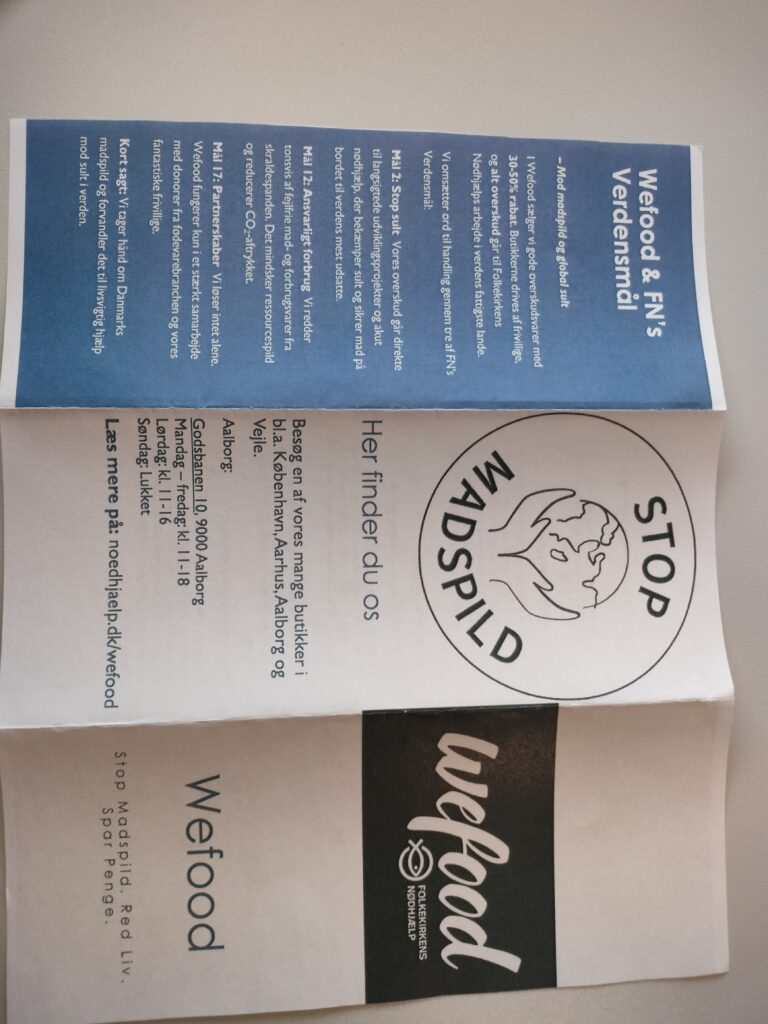
Wefood
Vi har givet opmærksomhed til en virksomhed som arbejder for at forhindre madspild



The stove is critical in every kitchen, whether Gas, Electrical, or Induction; it is always in use. The energy-efficient difference between Gas and induction is significant.
The stove is critical in every kitchen, whether Gas, Electrical, or Induction; it is always in use. The energy-efficient difference between Gas and induction is significant.
Gas cooking tops are generally less energy efficient, with an efficiency rate of 30-40%, leaving around 60-70% of the Gas to be lost to its surrounding environment. The cost of time it takes for a gas stove to produce the desired heat is almost instantaneous (depending on the heat level and cooking pan/pot), but it takes a while to cool down to touching temperatures.
On the other hand, Induction stoves offer a different experience. With efficiency rates of 85-90%, the heat is directly transferred to the pot or pan through electromagnetic induction, minimizing waste and heating everything exponentially faster. This not only saves energy but also ensures a safer cooking environment.
Comparison in Energy Use:
Gas Stove (Per Day per Burner): 94 to 141 kWh equivalent.
Induction Cooktop (Per Day per Burner): 14.4 to 24 kWh.
The environmental and safety impact of Gas stoves is the production emission of CO2 and pollution, contributing to the carbon footprint. The gas stoves and large heating plates at the school take a while to heat plates, and it takes forever for them to cool down. For a class of 16 students, everyone prefers to use their stove top with their pots and pans, which use significant energy. To preserve the environment, energy, and capital, the sharing and minimal use of heating plates and gas stoves will also prevent the CO2 intake of students and the longevity it takes to cool down and not cause injury.
The impact of an Induction stove is significant. They are safer, faster, and offer precise temperature control. This level of control empowers the user, making them significantly more Energy-Efficient and easier to control. The impact of natural Gas on electricity is typically cheaper, but the energy saved, including the efficiency of cooking, makes them more sustainable and better overall.
Our goal is to use the gas stoves (which our class has access to) efficiently, place people around or in groups in the same area, and turn them off when not in use. This is not just a practice but a commitment to sustainability that we are continually working on and that is a personal habitual practice.

Vi har givet opmærksomhed til en virksomhed som arbejder for at forhindre madspild
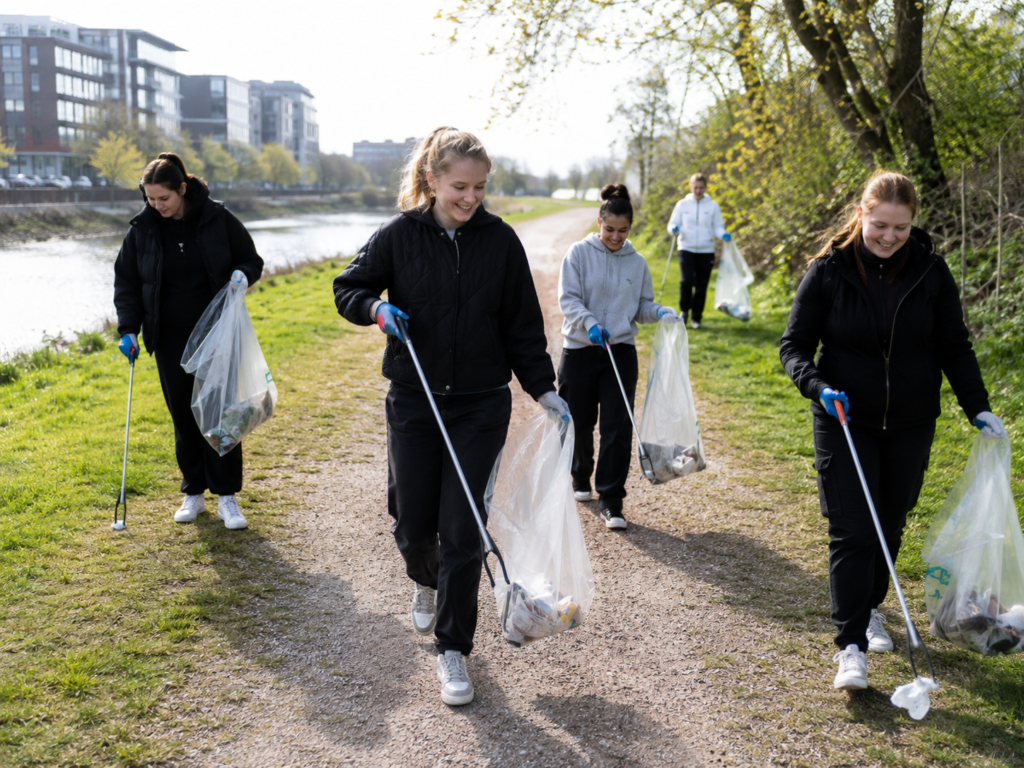
har været med til at plant en ny skove på ca 5.000 trære
Jeanette, Helle og Nadja
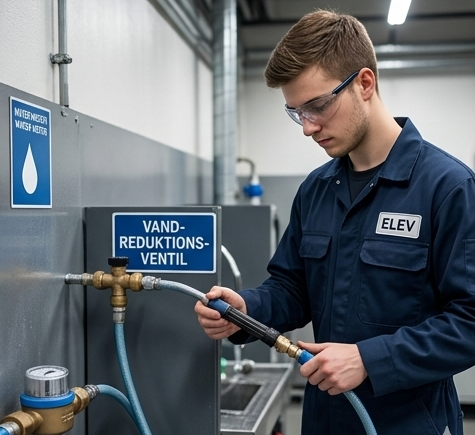
Spar på vand og rengøringsmidler gennem præcis dosering og korrekt brug af udstyr.
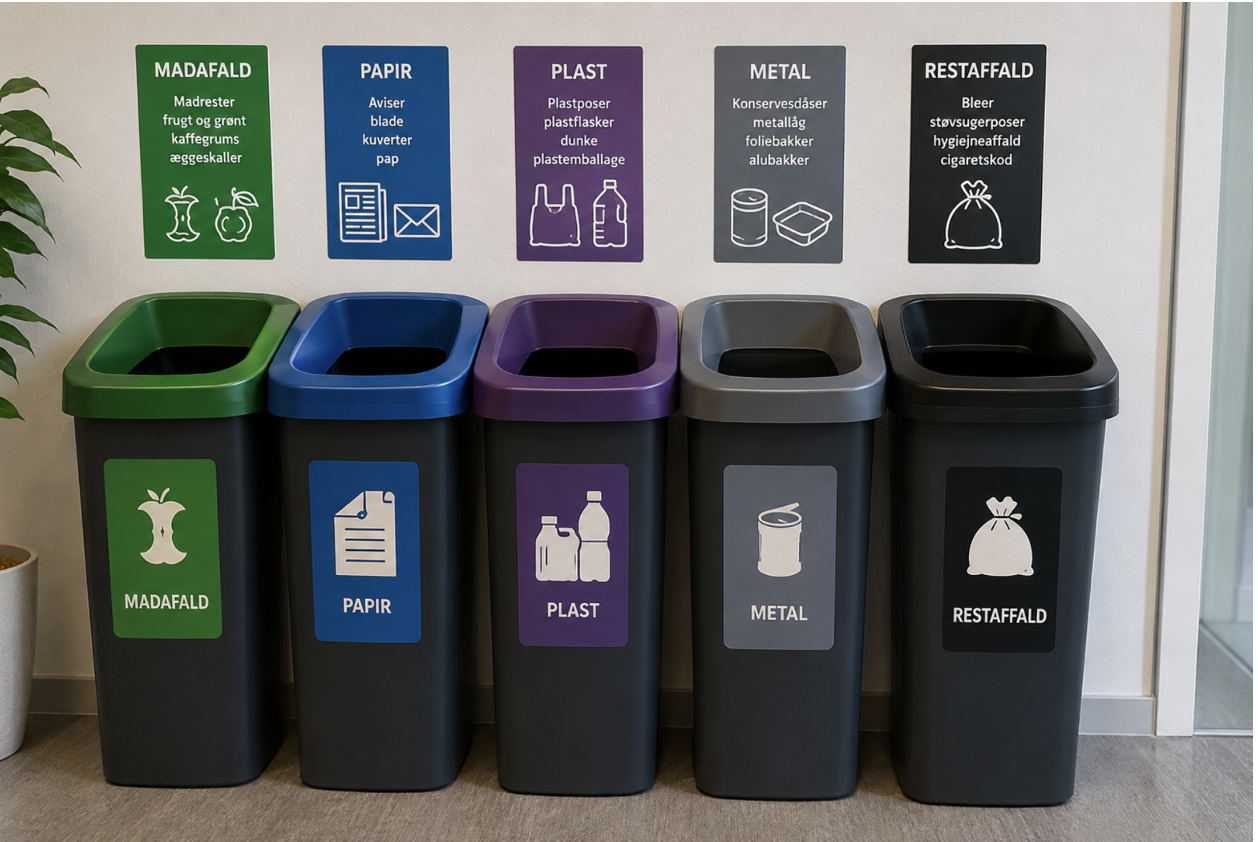
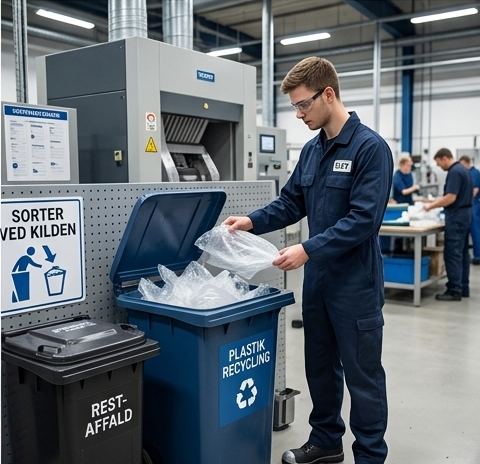
Optimer sorteringen ved kilden for at gøre genanvendelse lettere og billigere.
Grønne Mikrohandlinger handler om mere end blot at udføre grønne handlinger. Det handler lige så meget om at skabe et fællesskab, hvor du sammen med dine skolekammerater gør noget fælles i hverdagen. Så forhåbentlig ser du det her som et sted, hvor I kan lære af hinanden, dele ideer og finde inspiration til nye initiativer. Teamwork makes the dream work, ik’?
Det er både nemt og sjovt at oprette en grøn mikrohandling her på mikrohandling.dk.
Det gør du ved at følge guiden her på siden Sådan gør du
Projektet Grønne Mikrohandlinger er åbent for alle erhvervsuddannelser, der ønsker at deltage i projektet.
Når du vil beskrive en mikrohandling, skal du vælge et eller flere motiver. Fælles for dine handlinger er, at du har gjort noget af en grund, man kan også sige, at du har et motiv. Er du i tvivl, så vælg det eller de motiver, du synes passer bedst, eller du kan besøge vores oversigt med motiver her.
Du kan læse flere spørgsmål og svar på vores FAQ-side og ellers er du velkommen til at kontakte os.



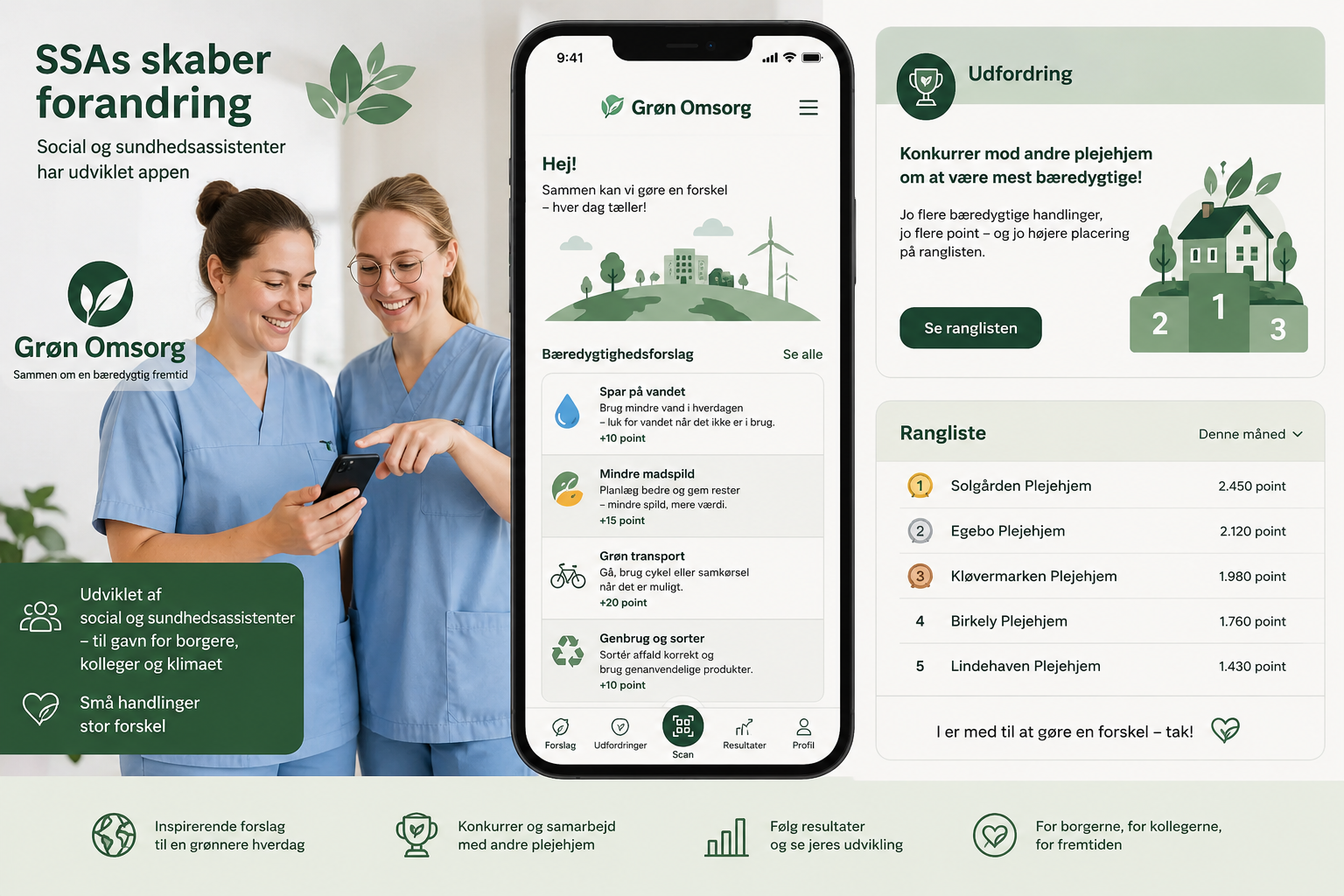
En grøn mikrohandling er en lille, men betydningsfuld handling, der bidrager til en mere grøn verden. Det er de små skridt, som vi alle kan tage i vores hverdag, der tilsammen kan skabe en stor forskel. Mikrohandlinger er nemme at tage med sig – og så kan de udføres af alle, uanset hvem du er.
Grønne Mikrohandlinger
post@mikrohandling.dk
+45 26 29 03 39